About Us
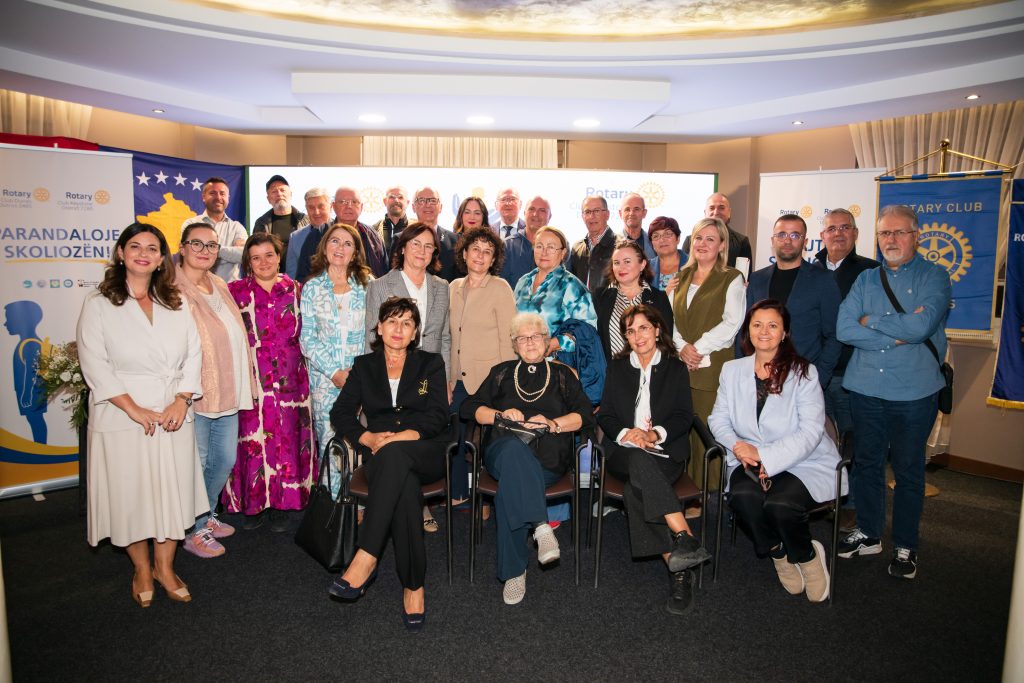
The project “Care4Children: Scoliosis Prevention and Treatment ” will take place in Durrës,
Albania. The project will be implemented by Rotary Club Durrës and Albanian Association of
Physiotherapists.
Durres is a coastal city in Albania with a rich history and a variety of characteristics. It is located along the
central-western coast of Albania, bordering the Adriatic Sea. It is Albania’s second-largest city and one of
its most important seaports. The city has a Mediterranean climate with hot, dry summers and mild, wet
winters. It is approximately 34 km away from Tirana, the capital city, and is considered one of the oldest
continuously inhabited cities in Europe.
Durrës is a significant economic hub in Albania. Its port is the largest and busiest in the country, serving as
a critical point for trade and shipping. Economically, the city enjoys a diverse range of income sources, with
tourism, fishing, and manufacturing playing a significant role alongside other sectors. Tourism, in
particular, stands out as a vital driver of Durres’ economy. During the summer season, the city becomes a
magnet for both local and international tourists, giving a substantial boost to the local economy, primarily
in the hospitality and service industries. Additionally, fishing, agriculture, and manufacturing sectors play
their part in contributing to the local economy. Durrës benefits from its favorable geographical landscapes,
notably its strategic location along the Adriatic Sea, establishing it as a key maritime hub.
Its close proximity to neighboring municipalities such as Kurbin, Krujë, Vorë, Shijak, and Kavajë
not only transit and various activities. According to the 2011 census, there are 175,110 residents in the territory of
the new Durrës municipality, while according to the civil registry, the resident population is 299,9891.
Durrës has a well-developed educational infrastructure that includes primary, secondary, and vocational
schools, as well as higher education institutions. Aleksandër Moisiu University Durrës, offers a range of
undergraduate and postgraduate courses. However, like many places, the city faces challenges of quality,
relevance, and equity in education. Healthcare facilities in Durrës include public and private hospitals,
clinics, and general practitioners. While basic healthcare services are generally accessible, there may be
limitations concerning specialized medical services, including the need for improvements in the quality of
public services such as education and healthcare which could impede its sustainable development.
Addressing these challenges requires a multidimensional approach involving various stakeholders,
including government agencies, the private sector and civil society.
One of the many challenges faced in Durres relates to the health system and medical services provided to
children. Although spine and posture screening is part of preventive healthcare for children they are not
being conducted. Children are recommended orthopedic consultations only when there are more noticeable
deformities observed by parents or educators. From time to time, deformity can be accidentally discovered
when a child visits a doctor for an entirely different reason (injury, back pain, etc.). In most of the cases,
the early stages of deformities are not detected in time, thus, missing the opportunity for timely treatment.
Health issues related to spinal deformities, especially in adolescents, have a significant
impact on the physical and psychological well-being of individuals and require specialized
care and treatment to reduce consequences and improve quality of life.
Improving the access to health services for children related to scoliosis issues requires a coordinated effort
from healthcare providers, educators, parents, and the broader community. By focusing on early detection,
education, and comprehensive care, it is possible to provide better outcomes for children with scoliosis.